

Margot Wellington, who led campaigns that protected Grand Central Terminal and several Broadway theaters from demolition, died on April 14 at age 91 in Manhattan.
Wellington became executive director of the Municipal Art Society in 1976. She directed advocacy that supported the 1978 Supreme Court decision affirming Grand Central Terminal's landmark status. Her efforts also targeted the preservation of Broadway theaters facing redevelopment pressures during the same period.
The New York Times published her obituary on May 27, noting these preservation achievements. The Municipal Art Society issued a statement on May 12 describing her contributions to the city's public realm and her role in expanding the organization while founding the Urban Center.
"The Municipal Art Society mourns the passing of our former Executive Director, Margot Wellington, a devoted advocate for New York City’s public realm and cherished leader in our community," said the Municipal Art Society in a statement.
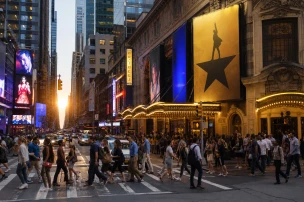
The New York Preservation Archive Project recorded an oral history that detailed her work alongside the Grand Central fight to prevent the loss of multiple Broadway theater buildings. Wellington joined the Municipal Art Society during a period when several midtown theaters risked replacement by office towers.
Her tenure emphasized legal strategies and public campaigns that connected architectural protection with the survival of live performance venues. Colleagues at the society credited her leadership with strengthening the organization's influence on city planning decisions through the late 1970s and 1980s.
Wellington was born on July 31, 1934. She remained active in preservation circles after leaving the executive director post, according to profiles from the Municipal Art Society and the New York Preservation Archive Project.